If your gym has banned powdered chalk -- or you are tired of coating everything in white dust -- liquid chalk is your answer. It delivers the same grip-enhancing magnesium carbonate in a clean, fast-drying formula that leaves no residue on bars or equipment.
But not all liquid chalk is created equal. In this guide we break down exactly what to look for, how to apply it properly, and why serious lifters are making the switch.
What Is Liquid Chalk?
Liquid chalk is magnesium carbonate suspended in an alcohol solution. When you apply it to your hands, the alcohol evaporates in seconds, leaving a thin, uniform layer of chalk bonded to your skin. The result is a dry, high-friction surface that lasts significantly longer than traditional loose chalk.
Liquid Chalk vs Dry Chalk: Which Is Better?
Both work. The difference is in application and environment:
- Liquid chalk -- Cleaner, longer-lasting per application, gym-friendly, better for humid conditions. One application can last 3 to 5 heavy sets. Ideal for commercial gyms that prohibit loose chalk.
- Dry chalk -- More traditional feel, easier to reapply between sets, preferred by some competitive lifters. Creates significant mess and airborne dust.
For most training environments, liquid chalk wins on practicality. For competition, many lifters use liquid chalk as a base layer and apply dry chalk on top for maximum grip.
How to Apply Liquid Chalk Correctly
Most lifters use too much. Here is the proper technique:
- Start with clean, dry hands -- wipe off any sweat or moisture
- Apply a pea-sized amount to one palm
- Rub both palms together, covering fingers and the heel of your hand
- Let it dry completely (10 to 15 seconds) before gripping the bar
- Do not clap your hands -- this creates unnecessary dust and wastes product
When to Use Liquid Chalk
Liquid chalk shines in these scenarios:
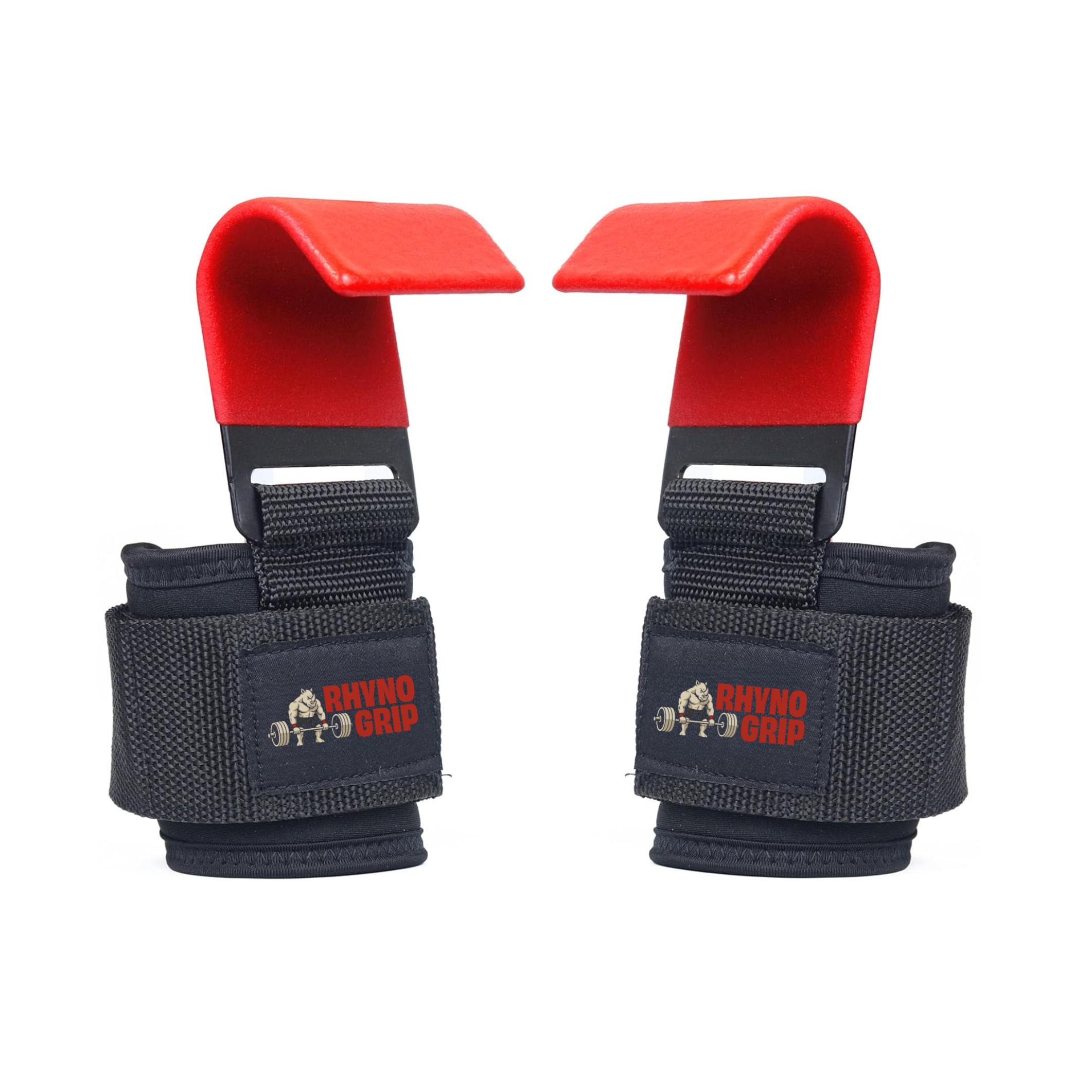
- Deadlifts -- The single lift most limited by grip. A solid chalk application can be the difference between a lockout and a missed pull. Pair your RhynoGrip Lifting Liquid Chalk with lifting straps on your heaviest sets for complete grip security.
- Pull-ups and rows -- Sweaty palms cause slipping on pull-up bars. Liquid chalk fixes this instantly.
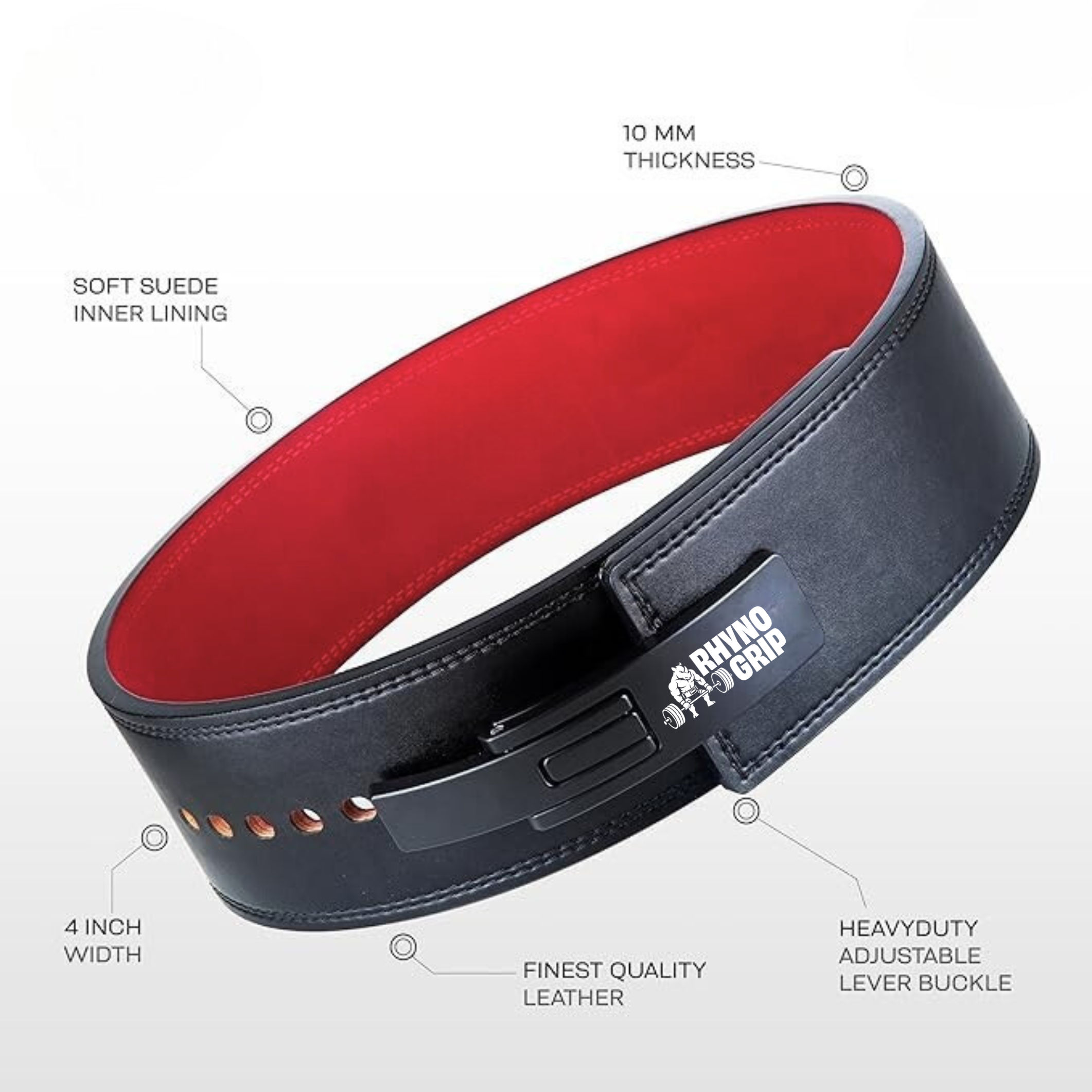
- Bench press -- Often overlooked, but chalk on your hands improves bar control during pressing. Combined with a solid lever belt for bracing, your bench setup becomes rock solid.
- Hot and humid gyms -- Liquid chalk is particularly effective in Indian summers where sweat makes bare-hand lifting nearly impossible.
What to Look for in a Quality Liquid Chalk
Not all formulas are equal. The best liquid chalk has:
- High magnesium carbonate concentration -- cheap brands dilute with fillers
- Quick-drying alcohol base -- should dry in under 15 seconds
- No added fragrances or moisturizers -- these reduce friction
- A flip-top or squeeze bottle -- pump bottles waste product
Liquid Chalk for Competition
In IPF and most federations, liquid chalk is allowed and commonly used. Many lifters apply liquid chalk before the platform and add dry chalk from the provided chalk bowl for their attempts. This layering technique gives the longest-lasting, highest-friction grip possible.
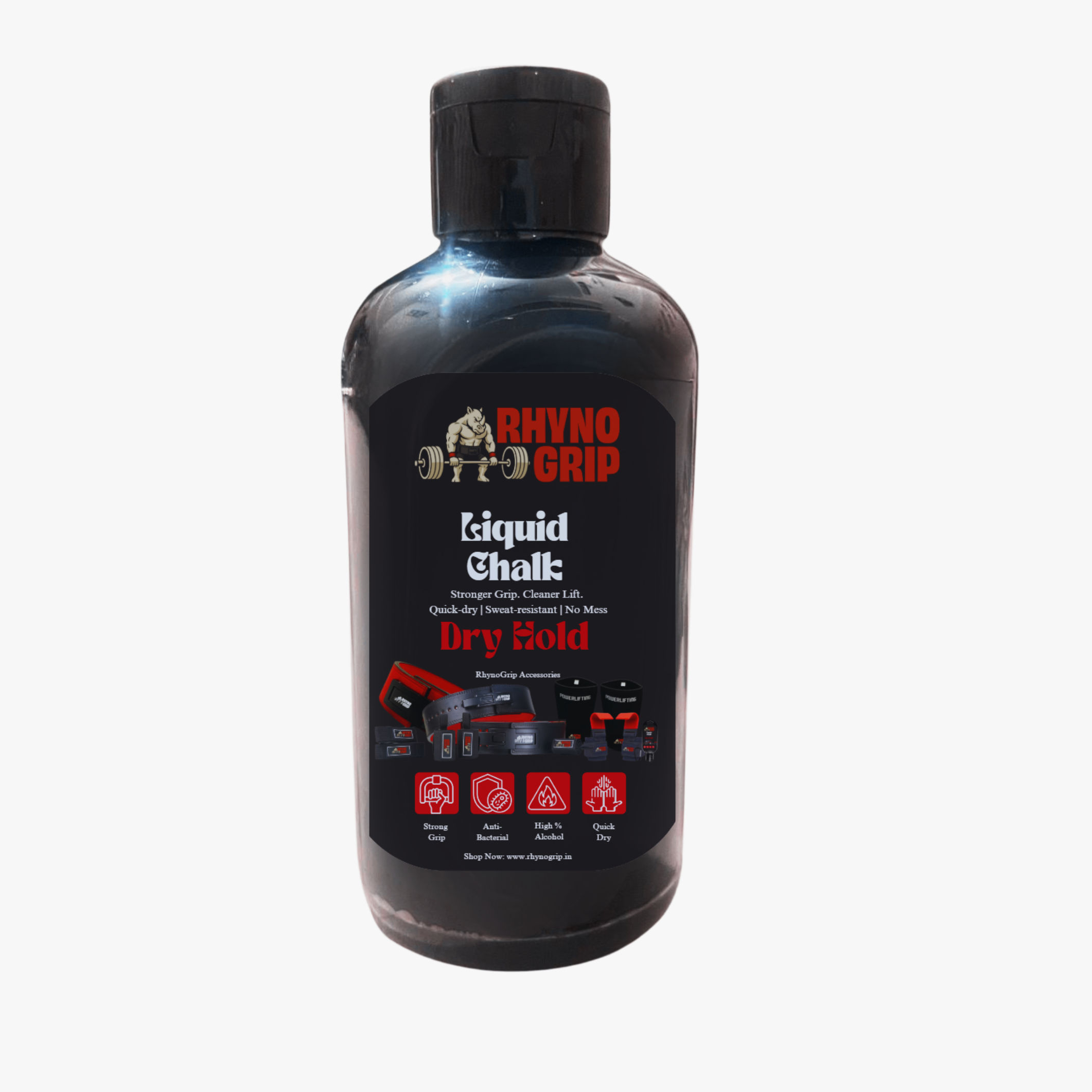
If you are serious about never losing a rep to grip failure, check out the RhynoGrip Lifting Liquid Chalk -- formulated specifically for heavy barbell training with a high-concentration, fast-drying formula. Browse all our grip and lifting accessories to build your complete training kit.