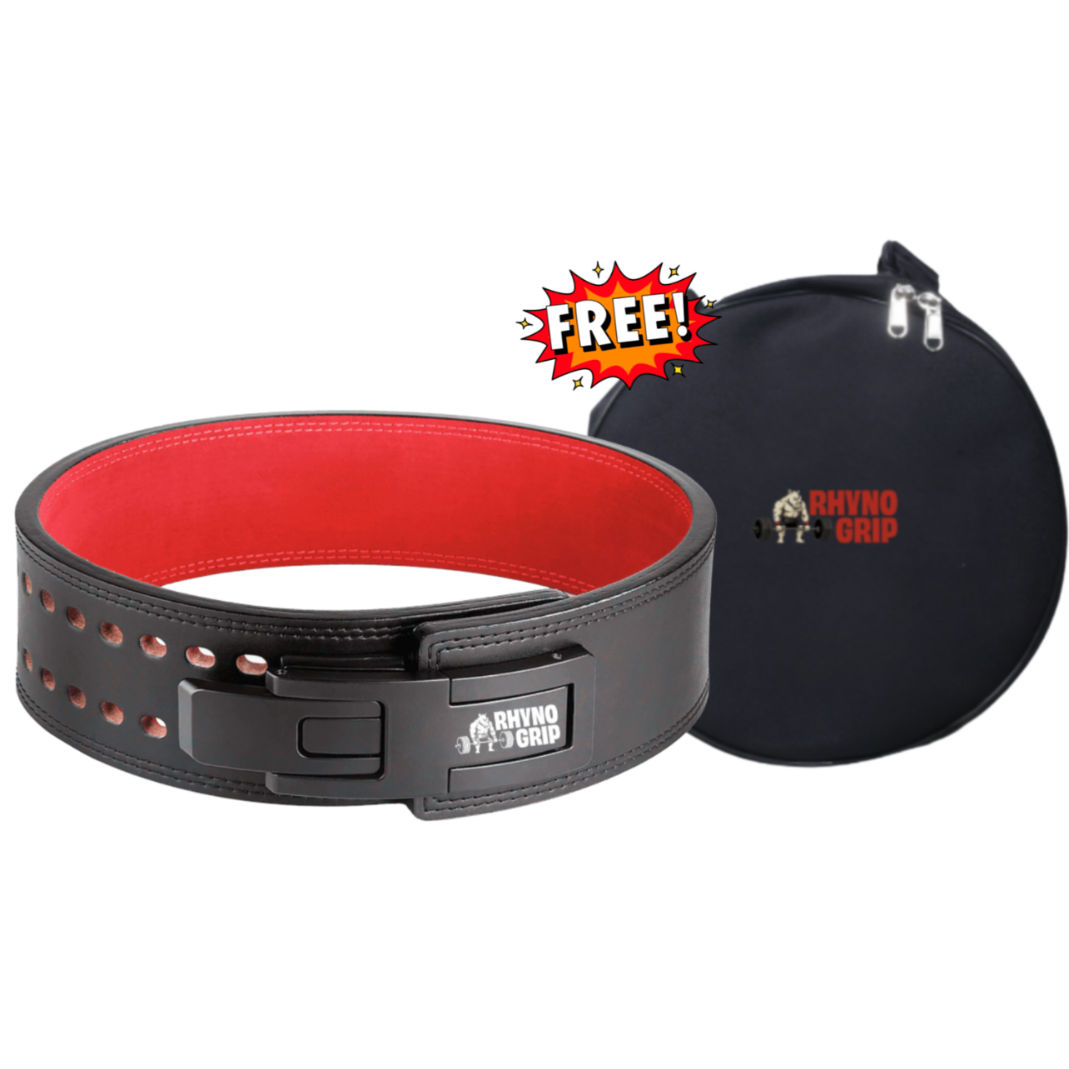
A weightlifting belt is one of the most important purchases you will make as a strength athlete. The right belt can add kilos to your total and protect your spine for years of heavy training. The wrong one will sit in your bag unused.
Lever vs Prong: Which Is Right for You?
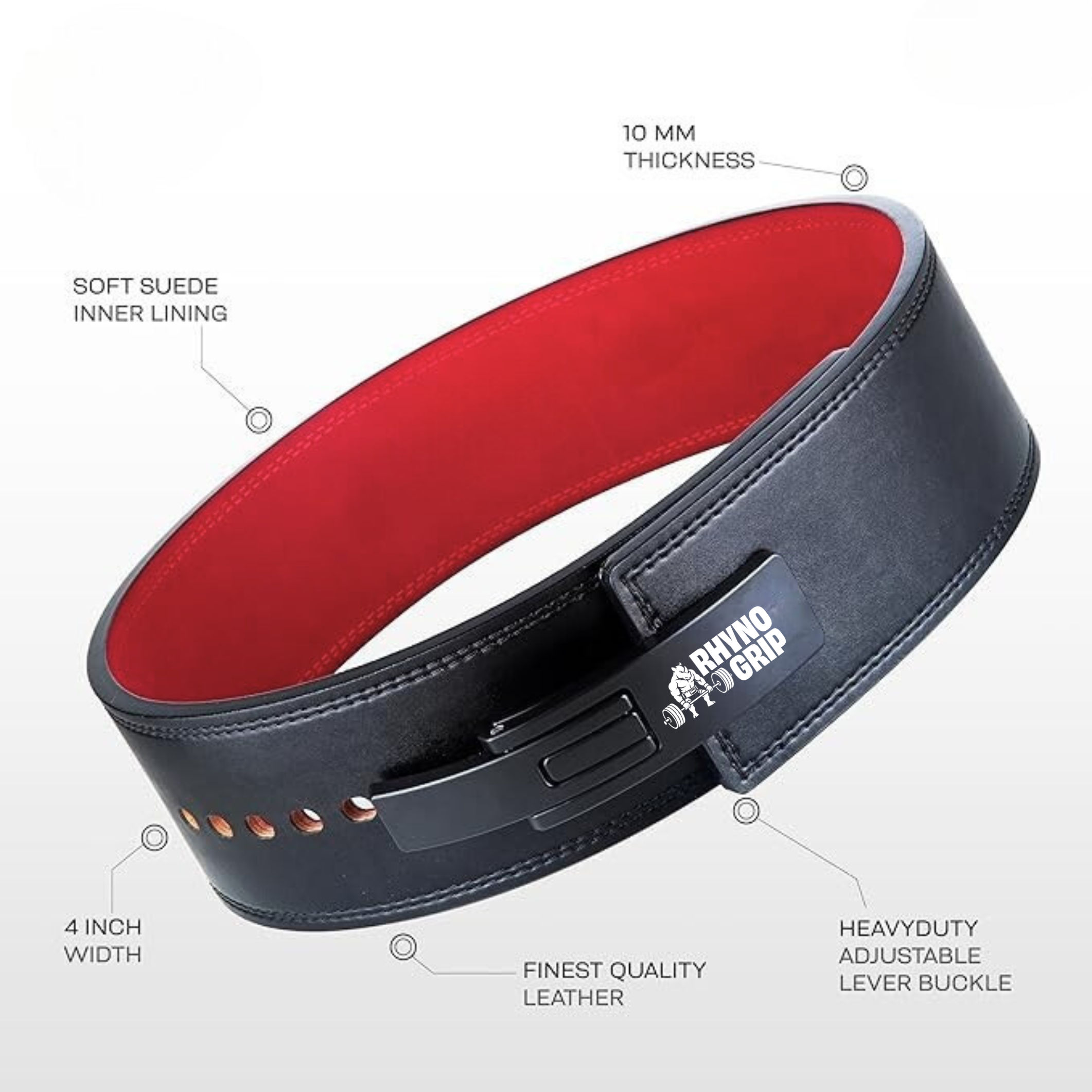
The lever belt is the modern standard for competitive powerlifters. Once you set the lever to your preferred tightness, it clips on and off in seconds -- perfect for multi-set block pulls or squat sessions where you are constantly adjusting between sets.
The prong belt is the classic. It is slower to adjust but many lifters prefer the feel of a double-prong for its added security. There is also a psychological element -- the ritual of threading the prong can become part of your pre-lift routine.
Thickness: 10mm vs 13mm
For most intermediate lifters, a 10mm belt is the ideal balance of stiffness and break-in time. A brand-new 13mm belt is like wearing a piece of plywood -- it will take weeks of dedicated use before it conforms to your body.
If you are competing or handling weights above 150% bodyweight on your main lifts, the extra rigidity of a 13mm belt pays dividends. Otherwise, start with 10mm.
Width: 4 Inch Is the Standard
IPF-legal belts max out at 10cm (approximately 4 inches) in width. For squats and deadlifts, 4-inch belts provide the widest base of intra-abdominal pressure support. Some lifters prefer a tapered front for Olympic lifting -- for powerlifting, go straight.
Sizing Your Belt
Measure around your navel (not your pants size). For lever belts, the lever is adjustable within about 3cm, so sizing is critical. For prong belts, multiple holes give more flexibility. When in doubt, size up -- you can always tighten a belt, but you cannot extend it.
Break-In Period
All leather belts require a break-in period. Buckle it tighter than comfortable when you are not lifting -- roll it up, sit on it, leave it under heavy plates overnight. Most belts soften significantly after 5 to 10 sessions.
Ready to find your belt? Browse the complete RhynoGrip belt collection to compare lever and prong options side by side. For a deeper dive on lever belts specifically, read our Lever Belt Guide.