The Indian strength training scene has exploded in the last few years. More lifters are competing, more gyms are stocking power racks, and the demand for quality accessories has never been higher. But with so many options, knowing what to buy first -- and what can wait -- saves you money and frustration.
This guide ranks every essential accessory in order of priority, so you can build your kit systematically without wasting money on gear you do not need yet.
Priority 1: Lifting Chalk (Day One Purchase)
Before you buy anything else, get chalk. Sweaty hands are the number one performance killer in Indian gyms, especially during summer when humidity makes bare-hand lifting genuinely dangerous on heavy pulls.
Liquid chalk is the practical choice for most Indian gyms -- it leaves no mess, lasts several sets per application, and most gym owners prefer it over loose chalk. One bottle lasts weeks of regular training.
Cost: ~₹350 | Impact: Immediate and significant
Priority 2: Weightlifting Belt (After 6 Months of Training)
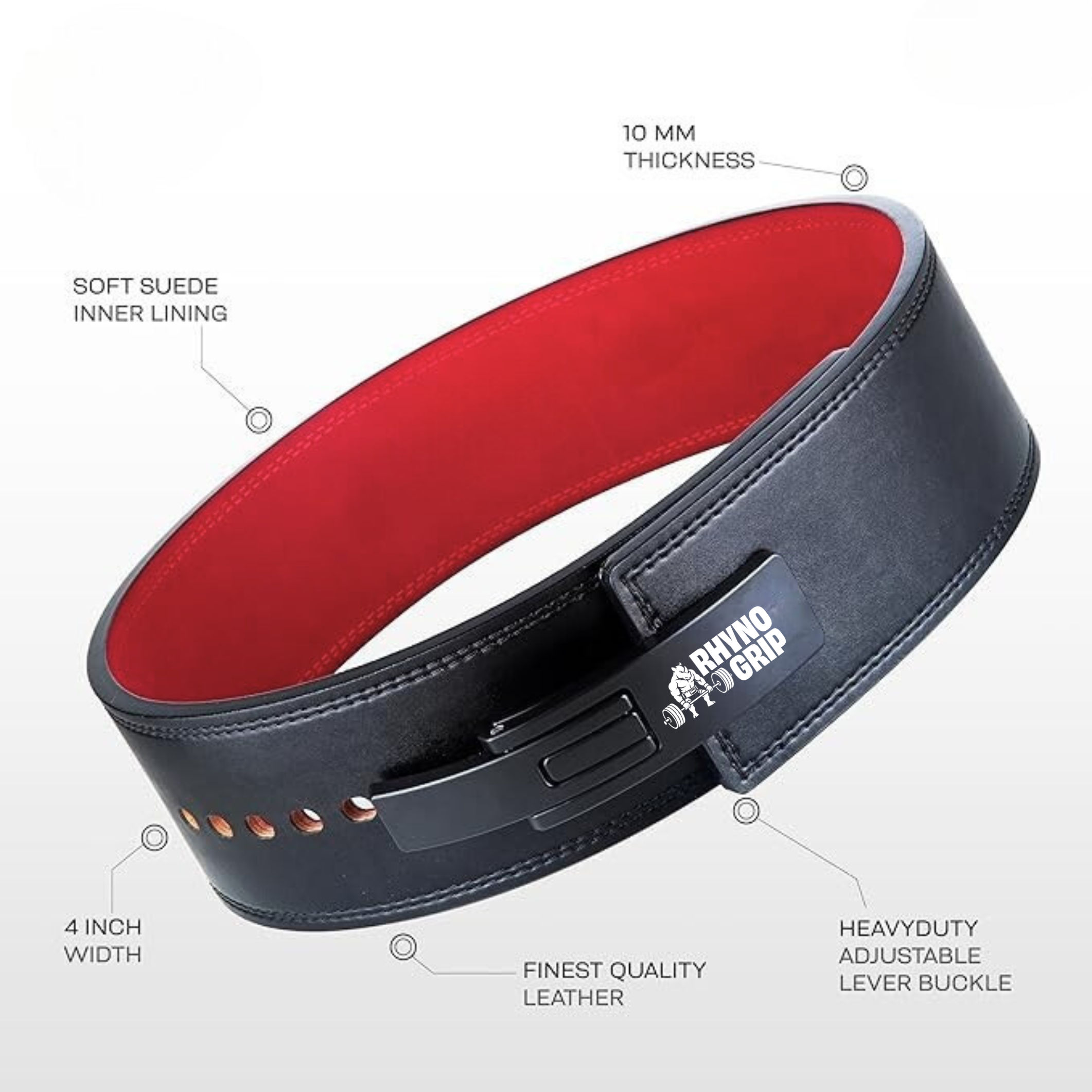
Once your squat and deadlift form is solid and you are handling weights above bodyweight, a belt becomes essential. It does not protect your back by itself -- it gives your core something to brace against, increasing intra-abdominal pressure and spinal stability.
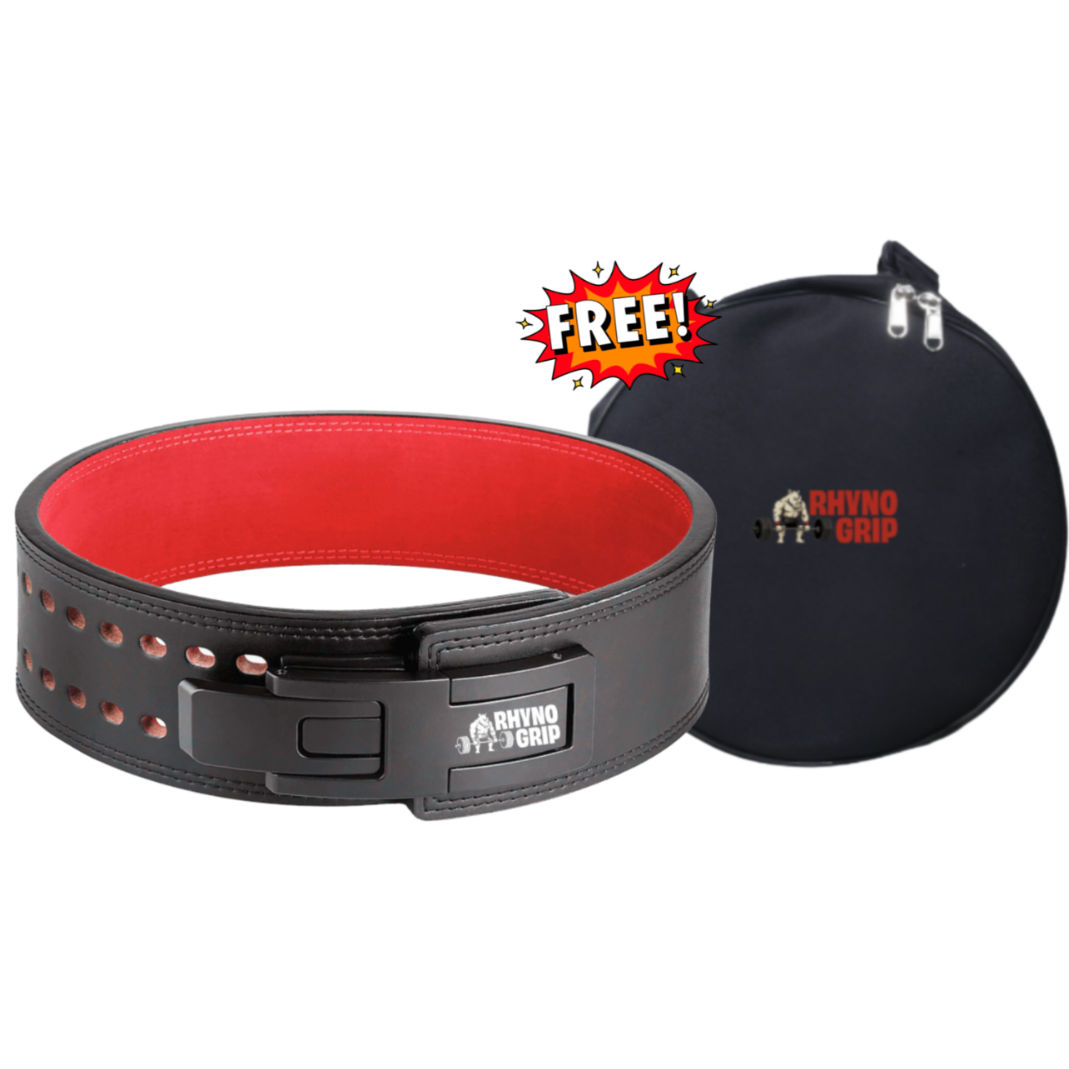
Start with a 10mm lever belt -- it is the best balance of support, break-in time, and versatility. Upgrade to a 13mm belt only when you are squatting 2x bodyweight or competing seriously.
Cost: ₹3,950 to ₹5,599 | Impact: 5 to 15% increase on squat and deadlift
Priority 3: Lifting Straps or Hooks (When Grip Limits Your Back Training)
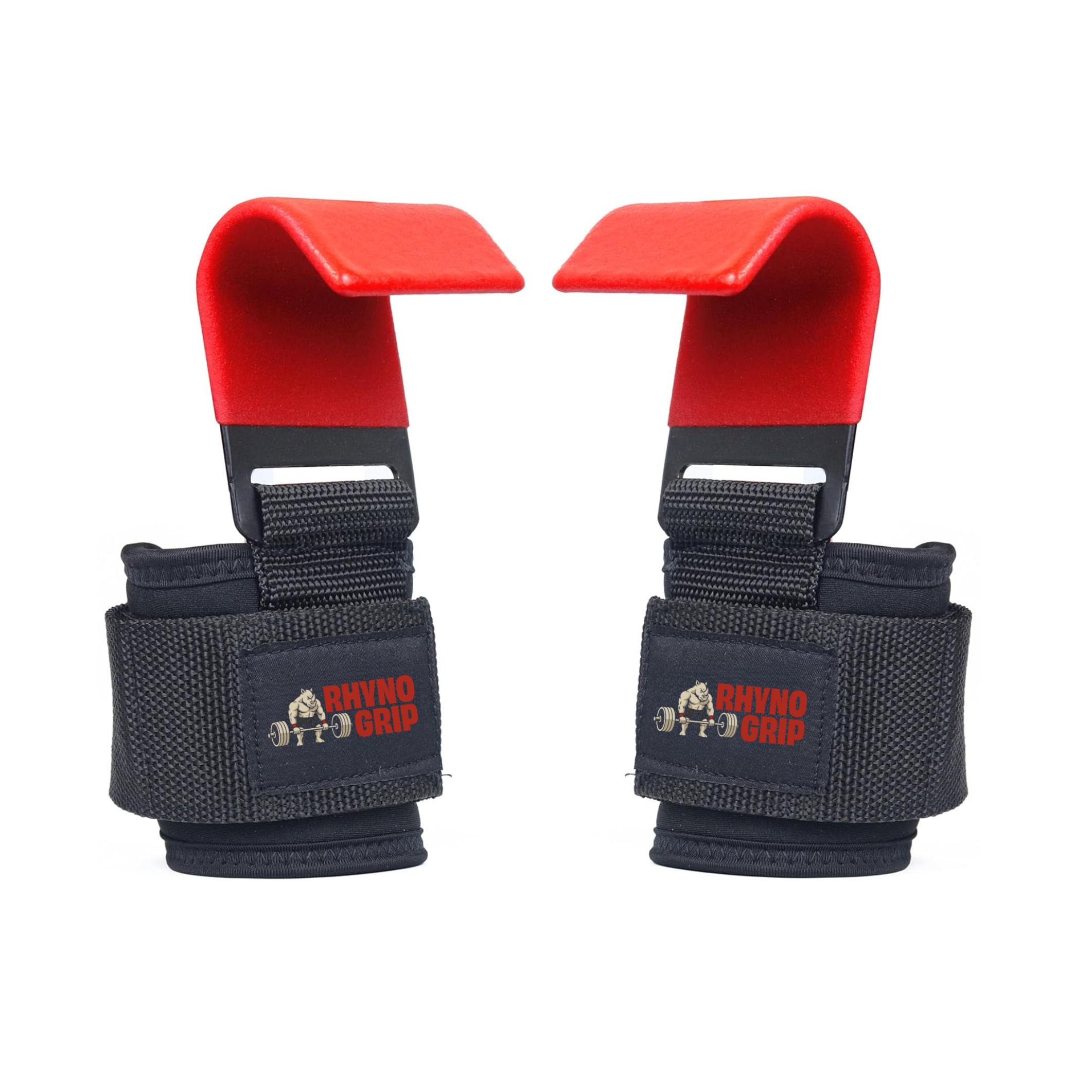
Your back can handle far more weight than your grip. Once your deadlift exceeds 1.5x bodyweight, your grip will start failing before your posterior chain does. That is when you need assistance.
Lifting straps are the versatile choice for heavy pulling. Lifting hooks are faster to set up and ideal for high-rep back training. Read our hooks vs straps comparison to decide which suits your training style.
Cost: ₹399 to ₹549 | Impact: Train back muscles to true failure
Priority 4: Wrist Wraps (When Pressing Gets Heavy)
If your bench press is above 80kg or your overhead press is above 50kg, wrist wraps prevent the joint from buckling under load. They are cheap insurance against chronic wrist pain that sidelines lifters for months.
50cm wrist wraps provide enough material for a secure wrap without being overly long. Learn proper wrapping technique in our wrist wraps guide.
Cost: ₹249 | Impact: Healthier wrists, more stable pressing
Priority 5: Knee Sleeves (For Squat-Focused Training)
Knee sleeves keep the joint warm, improve proprioception, and provide mild compression that reduces inflammation after heavy squat sessions. They are not mandatory, but once you try them, you will not squat without them.
7mm neoprene sleeves are the competition standard -- thick enough for real support, flexible enough for full range of motion.
Cost: ₹2,499 | Impact: Warmer joints, reduced soreness, 5 to 10kg squat carry-over
Priority 6: Hand Grips (For High-Volume Athletes)
If you do a lot of pulling volume -- deadlift variations, rows, pull-ups, farmer carries -- your calluses will eventually tear. Rubber grips or leather grips protect your palms without reducing bar feel.
Not every lifter needs grips. If you train 3 to 4 times per week with moderate volume, proper hand care may be enough. But if you are training 5 to 6 days with heavy pulling, grips save you from losing training days to torn hands.
Cost: ₹399 to ₹599 | Impact: Never lose a training day to a callus tear
The Complete Kit: What It Costs
Here is the full breakdown for building a competition-ready accessory kit:
- Liquid Chalk: ₹349
- 10mm Lever Belt: ₹3,950
- Lifting Straps: ₹399
- Wrist Wraps: ₹249
- Knee Sleeves: ₹2,499
- Rubber Grips: ₹399
Total: ₹7,845 -- Less than what most lifters spend on a single pair of lifting shoes. And unlike shoes, this kit directly impacts your performance on every major lift.
Where to Buy Quality Gear in India
The Indian market is flooded with cheap imports that fall apart in weeks. When buying lifting accessories, prioritize:
- Genuine leather for belts -- not bonded leather or PU
- Heavy-duty stitching on straps -- pull-test them before your first heavy set
- Proper neoprene for knee sleeves -- cheap sleeves lose compression within months
- High magnesium carbonate content in chalk -- avoid brands that use fillers
Browse the complete RhynoGrip collection -- every product is designed specifically for Indian strength athletes who train hard and demand gear that keeps up.