When your grip gives out before your back or hamstrings, you have two options: lifting hooks or lifting straps. Both let you focus on the target muscles instead of your forearms, but they do it in fundamentally different ways. Choosing wrong can cost you reps or even risk injury.
How Lifting Hooks Work
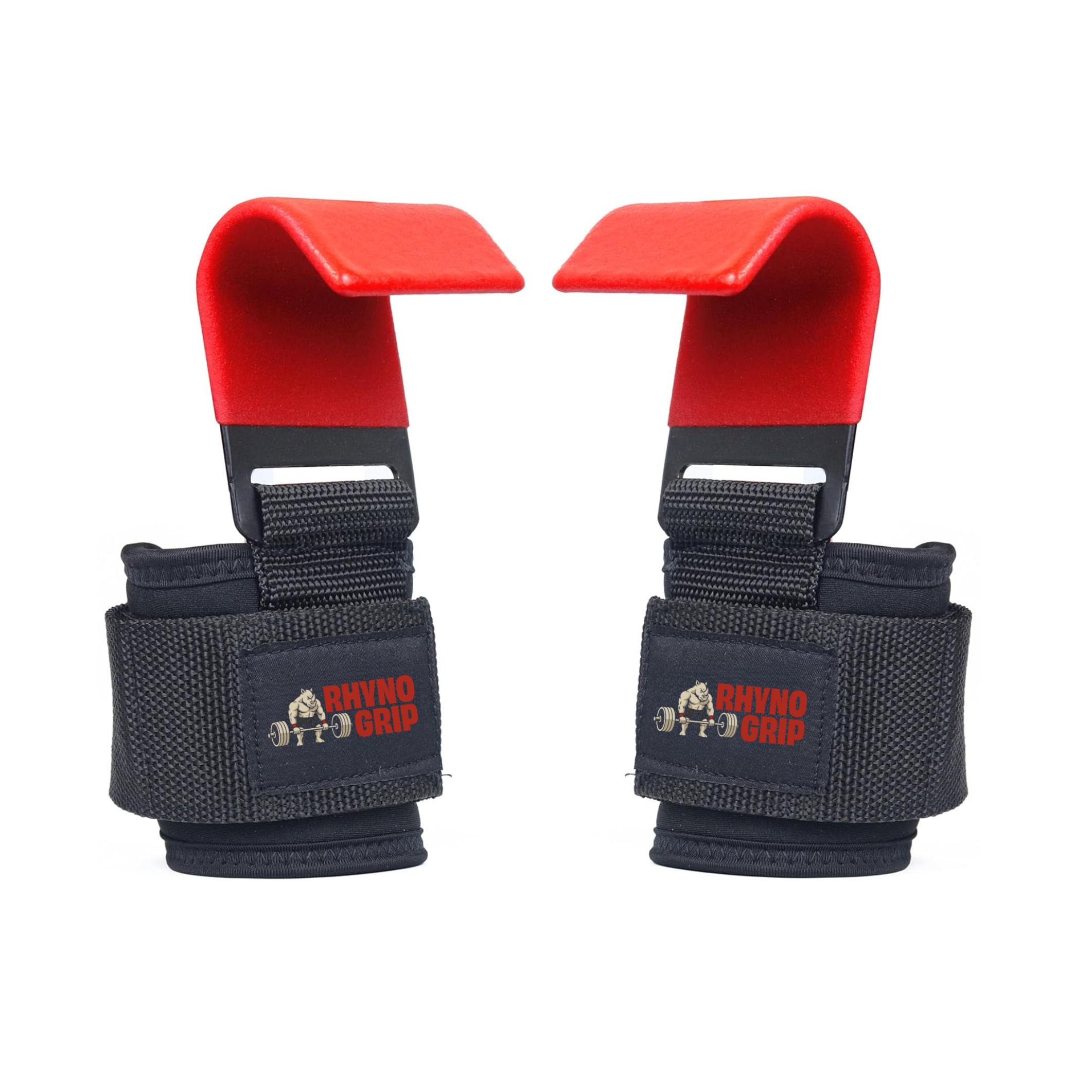
Lifting hooks use a rigid metal or heavy-duty plastic hook that wraps around the bar, secured to your wrist with a padded strap. You literally hang from the bar rather than gripping it. Setup time is minimal -- slide your hands under the bar and the hooks catch immediately.
The RhynoGrip Lifting Hooks combine a steel hook with integrated wrist wrap support, giving you both grip assistance and wrist stability in one piece of equipment.
How Lifting Straps Work
Lifting straps are fabric loops that wrap around the bar, creating friction between the strap and the knurling. You still actively grip the bar -- the strap just prevents the bar from rolling out of your fingers. Setup requires wrapping the strap around the bar, which takes a few seconds per hand.
The RhynoGrip Lifting Straps with Neoprene Padding add cushioning at the wrist contact point, eliminating the pressure marks and bruising that cheap straps cause on heavy sets.
Head-to-Head Comparison
Ease of Use
Hooks win. Slide your hands under the bar and pull. No wrapping, no threading, no adjustment. For beginners or lifters who want zero setup friction, hooks are unbeatable.
Maximum Load Capacity
Straps win. Because straps wrap around the bar, the friction increases with load -- the heavier you pull, the tighter the strap grips. Hooks have a fixed capacity determined by the hook material. For truly maximal deadlifts (300kg+), straps are the standard.
Bar Feel and Control
Straps win. You still grip the bar with straps, maintaining proprioception and control. Hooks remove you from the bar entirely, which some lifters find disorienting on dynamic movements.
Wrist Comfort
Hooks win. Quality hooks with integrated wrist wraps distribute load across the entire wrist. Straps concentrate force on a narrow band, which can dig in on very heavy pulls without padding.
Versatility
Straps win. Straps work on barbells, dumbbells, cable attachments, trap bars, and pull-up bars. Hooks are primarily designed for straight barbell work.
When to Use Hooks
- Hypertrophy-focused back training (lat pulldowns, cable rows, shrugs)
- High-rep deadlift sets where grip fatigue accumulates rapidly
- Lifters with hand injuries, arthritis, or grip conditions
- Quick gym sessions where setup time matters
When to Use Straps
- Heavy barbell deadlifts and rack pulls above 90% of your max
- Barbell rows and Romanian deadlifts with challenging loads
- Farmer carries and loaded walking movements
- Competition-adjacent training where you want maximal back stimulus
The Smart Approach: Own Both
Hooks and straps are not competing solutions -- they solve different problems. Keep hooks in your bag for quick back sessions and hypertrophy work. Use straps for your heavy pulling days. And for warm-up sets, go bare-handed with liquid chalk to build natural grip strength.
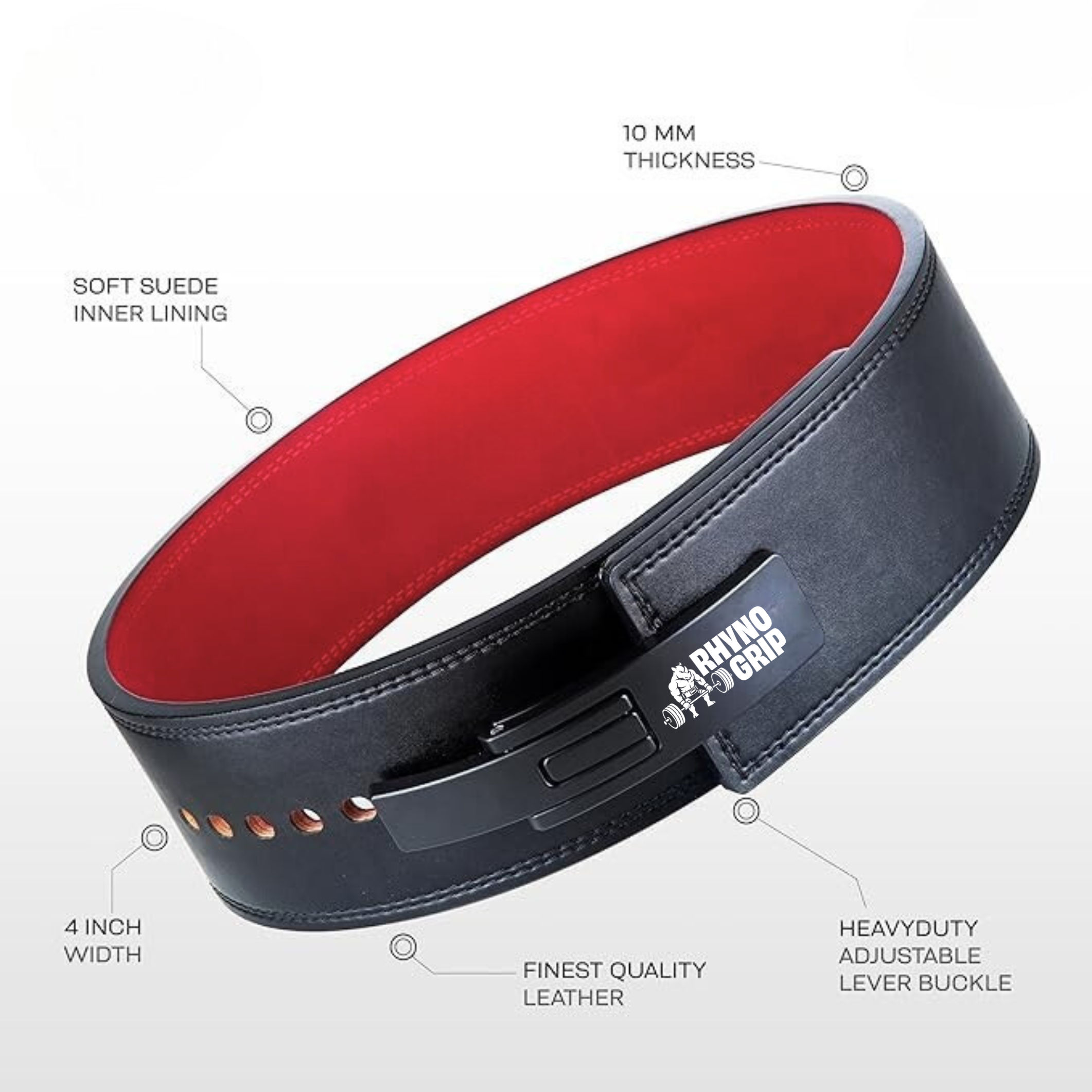
Complete your pulling setup with a 13mm lever belt for maximum bracing on heavy deadlifts, and rubber grips for hand protection on high-volume days. Browse the full RhynoGrip range to find exactly what your training needs.