There is nothing more frustrating than setting up for a heavy deadlift, pulling with everything you have, and feeling the bar roll out of your fingers at lockout. Your back is strong enough. Your legs are strong enough. But your grip fails. This is the single most common plateau in strength training — and it is entirely fixable.
1. Switch to Mixed Grip
The double overhand grip is the weakest grip for deadlifts. By turning one hand over (supinated), you eliminate the rolling effect that causes the bar to slip. Most powerlifters use mixed grip for their working sets and competition attempts.
Pro tip: Alternate which hand is supinated between sessions to prevent muscle imbalances. And always use double overhand for your warm-up sets to build baseline grip strength.
2. Use Hook Grip
The hook grip wraps your fingers over your thumbs instead of the bar rolling against your fingers. It hurts initially — your thumbs will protest for 2–3 weeks — but once adapted, it is the strongest barehanded grip available. Every Olympic weightlifter uses it.
Start by using hook grip on warm-up sets with lighter weight. Your thumbs will toughen up over time. Tape can help during the adaptation phase.
3. Train Your Grip Directly
Most lifters never train grip as its own thing. Add these to your routine 2–3 times per week:
- Dead hangs: Hang from a pull-up bar for max time. Work up to 60+ seconds
- Farmer carries: Walk with heavy dumbbells or trap bar. 3 sets of 30–40 metres
- Plate pinches: Pinch two plates together (smooth sides out) and hold for time
- Barbell holds: Load a barbell heavy, lift it to lockout, and hold for 10–15 seconds
- Towel pull-ups: Drape a towel over the bar and grip the towel ends. Brutal but effective
Read our full grip training guide for a complete programme.
4. Use Liquid Chalk
Sweaty hands are the silent grip killer. Liquid chalk is magnesium carbonate in an alcohol solution — it dries in seconds, eliminates moisture completely, and lasts 3–5 sets per application. Unlike dry chalk, most commercial gyms allow it because it leaves no mess.
Apply a thin layer, rub your hands together for 10 seconds, and let it dry. Your hands will feel like sandpaper on the bar.
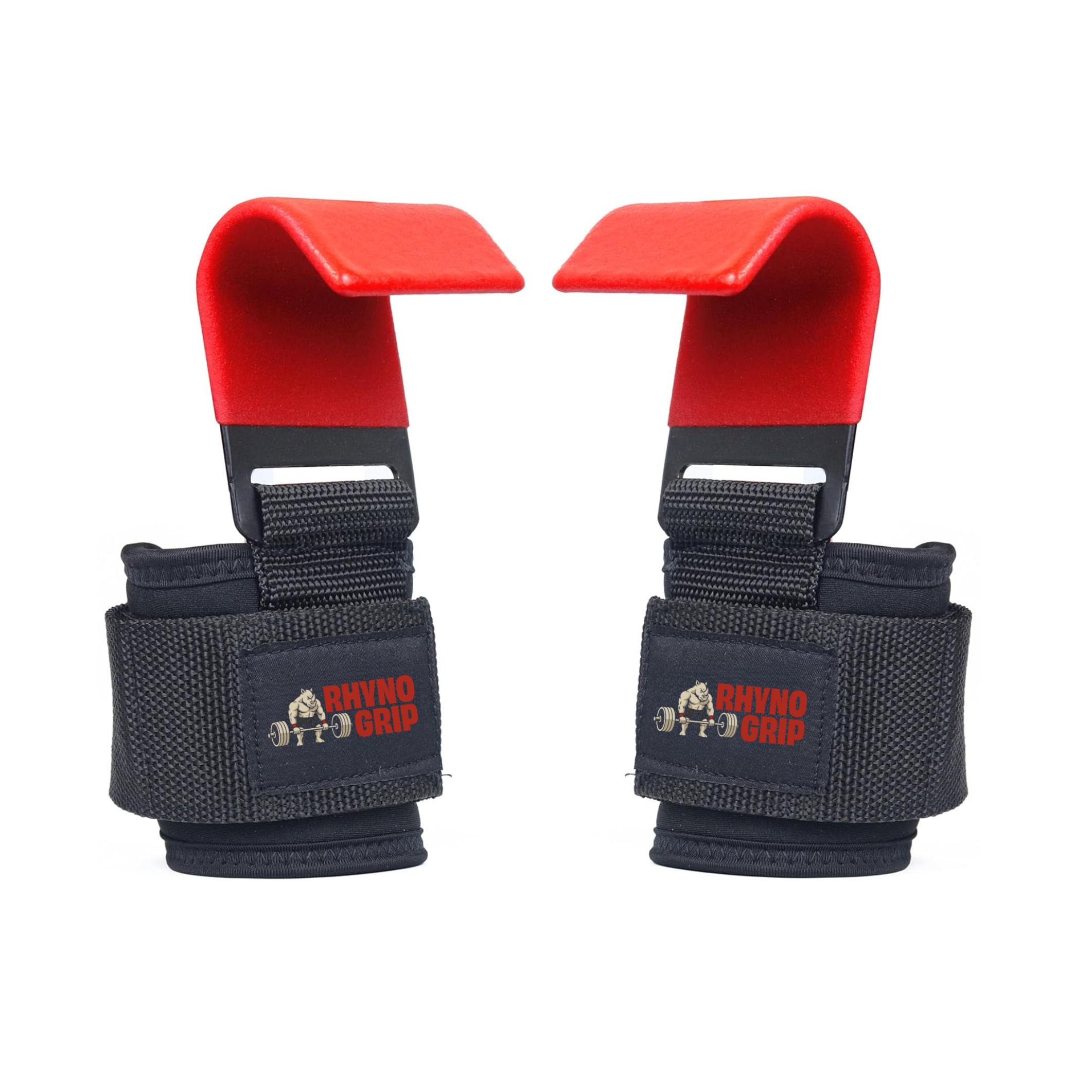
5. Use Lifting Straps for Working Sets
There is a myth that lifting straps are cheating. They are not. Straps are a tool that lets you train your back and legs without your grip being the limiting factor. Use them for:
- High-rep deadlift sets (8+ reps) where grip fatigue accumulates
- Romanian deadlifts and rows
- Any pulling accessory work
- Back-off sets after your heavy grip-limited work
The strategy: pull your top sets barehanded (or with chalk), then strap up for volume work. Your back gets the stimulus it needs while your grip recovers.
6. Fix Your Setup
Grip failure often starts before you pull. Common setup mistakes:
- Gripping too wide: Hands should be just outside your legs. Wider grip = longer range of motion = more time for the bar to slip
- Gripping in the palm: The bar should sit in your fingers, not deep in your palm. Palm grip creates a longer lever arm that the bar exploits
- Not squeezing before the pull: Crush the bar before initiating the lift. A loose start means a loose lockout
7. Use Rubber Lifting Grips
For lifters who want grip assistance without the wrap-around hassle of straps, rubber lifting grips are the answer. They slip on in seconds, increase friction dramatically, and work for pulls, rows, and carries. Think of them as a permanent chalk upgrade.
The Complete Deadlift Grip Stack
Here is what the strongest deadlifters do:
- Warm-up sets: double overhand, no accessories — build raw grip
- Working sets: mixed grip or hook grip + liquid chalk
- Volume sets: lifting straps to maximise back stimulus
- Grip finisher: dead hangs or farmer carries at the end of the session
Stop letting your grip hold your deadlift back. The right combination of technique, training, and gear will have you pulling heavier within weeks.